
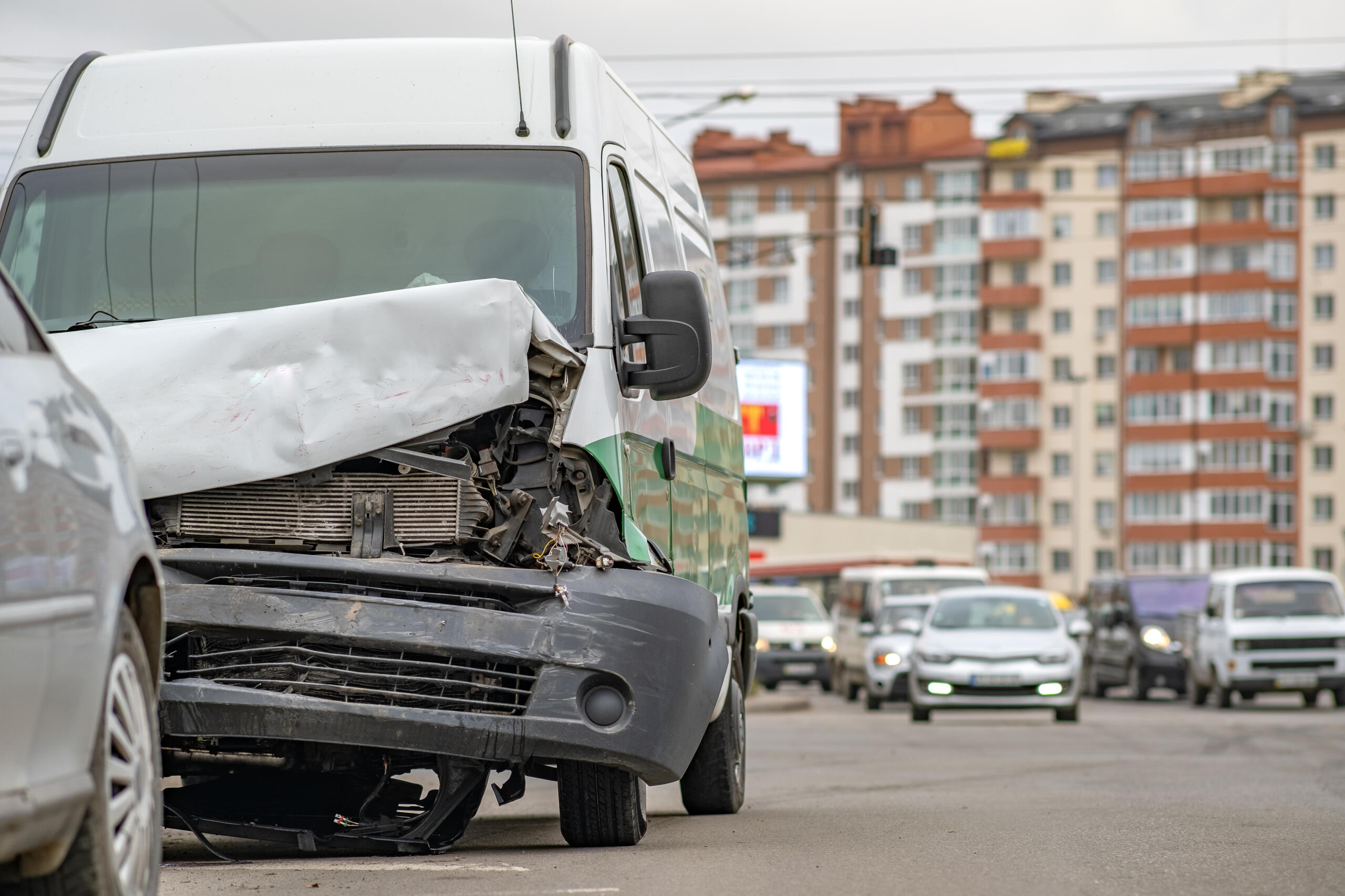
Understanding the complexities involved in hit-and-run accidents can empower individuals to respond appropriately. This knowledge not only aids in immediate decision-making but also in long-term processes such as legal proceedings and insurance claims. By familiarizing yourself with Minnesota’s specific legal framework regarding hit-and-run incidents, you can safeguard your rights and interests, and potentially assist law enforcement in apprehending the responsible party. Awareness and preparedness are key components in managing the repercussions of such accidents efficiently.
Understanding Hit-and-Run Accidents in Minnesota
Hit-and-run accidents occur when a driver involved in a collision leaves the scene without providing contact information or aiding the injured. Minnesota, like many other states, has specific laws regarding these accidents, and leaving the scene of an accident is considered a serious offense. The laws are designed to ensure accountability and provide justice for victims, making it imperative for all drivers to understand the legal responsibilities they have in the event of an accident.
Minnesota Traffic Accidents and Laws
In Minnesota, the law requires any driver involved in a traffic accident to stop, provide their name, address, and vehicle registration number, and show their driver’s license to the other party involved. If someone is injured, the driver must also provide reasonable assistance, such as calling for medical help. Failing to do so can lead to criminal charges, license suspension, and hefty fines. These legal requirements emphasize the importance of responsibility and transparency among drivers to maintain safety and order on the roads.
The legal obligations extend beyond just exchanging information. Drivers are also expected to remain at the scene until law enforcement arrives, especially in cases involving injuries or significant damage. This ensures that accurate reports can be filed and that any necessary immediate actions, like medical interventions, can be swiftly executed. Understanding these requirements can help drivers avoid severe legal consequences and contribute to a safer driving environment for everyone.
Why Do Drivers Flee?
There are various reasons why a driver might flee the scene of an accident. Some may panic or fear legal consequences, while others might be driving without insurance or under the influence of drugs or alcohol. Regardless of the reason, leaving the scene is illegal and can have severe repercussions. The decision to flee can often lead to more serious legal consequences than the accident itself, complicating the situation further for the fleeing driver.
In some cases, the driver may not fully comprehend the severity of the accident or may mistakenly believe that they can evade responsibility. However, advancements in technology, such as surveillance cameras and witness accounts, make it increasingly difficult to escape detection. Understanding the gravity of hit-and-run offenses can deter drivers from making impulsive decisions that could exacerbate their legal troubles and ensure that justice is served for the victims.
Hit and Run Accidents Involving Parked Cars in Minnesota
Many Minnesota hit-and-run cases involve parked vehicles in parking lots, residential streets, and garages. Drivers sometimes assume that if the owner is not present, they can leave without consequences. Minnesota law still requires them to attempt to locate the owner or leave a written notice with their contact and vehicle information.
If you return to your car and find damage with no note, it still legally qualifies as a hit-and-run. Even minor dents can involve costly repairs due to sensors and internal components. Victims still have insurance and legal options available.
Immediate Steps to Take After a Hit-and-Run
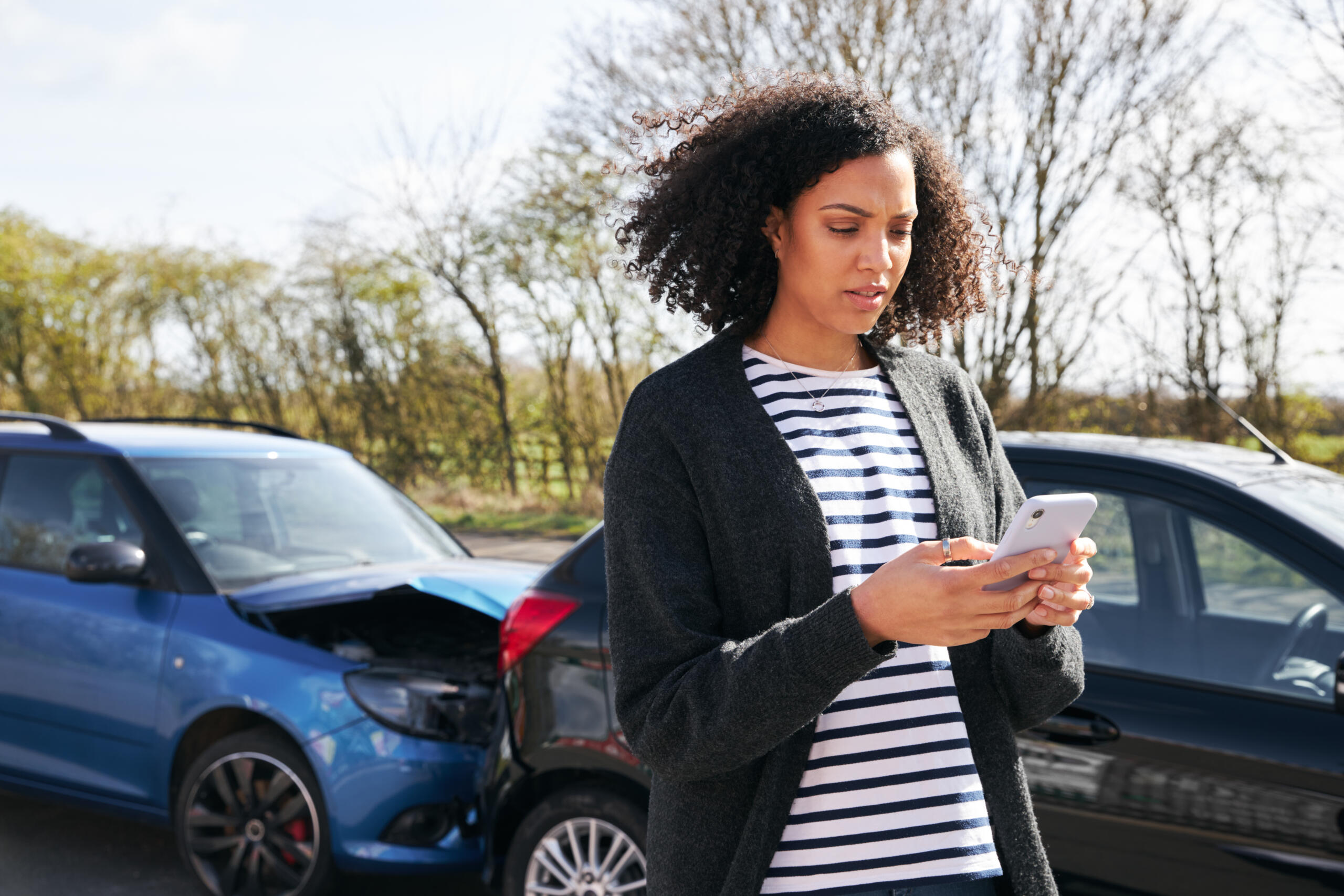
If you are involved in a hit-and-run accident in Minnesota, it’s crucial to stay calm and take specific actions to protect yourself and your rights. Here are the steps you should follow:
Ensure Safety First
Your safety and the safety of your passengers should be your top priority. Move your vehicle to a safe location, away from traffic if possible. Turn on your hazard lights to alert other drivers and call 911 if there are any injuries or significant damage. These initial steps help to prevent further accidents and ensure that emergency services can reach the scene promptly.
In addition to securing your immediate surroundings, assess your physical condition and that of your passengers. Even if injuries are not immediately apparent, it’s important to seek medical attention as some injuries may not manifest right away. Keeping calm and focused during this process can help you make rational decisions and handle the situation with clarity.
Gather Information
Try to remember as many details about the fleeing vehicle as possible, including the make, model, color, and license plate number. Note down the time and location of the accident, and take pictures of the damage to your vehicle and the surrounding area. This information can be critical for law enforcement and insurance companies in identifying the responsible party and processing claims.
In addition to vehicle details, make a note of any distinguishing features of the driver or passengers in the fleeing vehicle, if possible. The more information you can provide, the better the chances of a successful investigation. Documenting the scene thoroughly helps to create a comprehensive account of the incident.
Look for Witnesses
Witnesses can provide valuable information and help corroborate your account of the accident. If there are any bystanders, ask if they saw the accident and if they could provide a statement to the police. Witness testimonies can significantly improve the chances of identifying the vehicle.
What to Do If Your Parked Car Is Hit and the Driver Leaves
If your parked car is damaged and the driver leaves, begin by documenting everything. Take clear photos of the damage, debris, and the surrounding area. Capture wide shots and close-ups so insurers can understand the context.
Look around for security cameras on nearby buildings or homes. Doorbell cameras often capture parking areas. Ask businesses or residents politely whether footage may be available.
File a police report promptly. Minnesota insurers rely on these reports when evaluating hit-and-run claims. Reporting quickly shows good faith and strengthens your claim.
How Insurance Covers Parked Car Hit-and-Runs in Minnesota
Many Minnesota drivers do not realize their own policy may cover a parked car hit-and-run. Collision coverage typically pays for repairs regardless of fault, minus your deductible. Uninsured motorist property damage may also apply if the driver is not identified.
Insurance companies review photos, estimates, and police reports to determine payouts. The more documentation you provide, the smoother the process. Organized records help avoid delays.
If a claim is denied or undervalued, speaking with a car accident lawyer in Minneapolis can help clarify your options.
Reporting the Incident
Contact the Police
It’s essential to report the hit-and-run accident to the police as soon as possible. Provide them with all the information you’ve gathered. A police report is often required for insurance claims.
Notify Your Insurance Company
Contact your insurance company to report the accident and provide them with the police report number. Share photos and documentation. Prompt reporting helps prevent claim issues.
Legal Assistance
An experienced attorney can help protect your rights, negotiate with insurers, and pursue compensation when necessary.
Preventing Hit-and-Run Accidents
Stay Alert and Drive Defensively
Defensive driving means actively watching traffic, anticipating hazards, and maintaining safe distances. It reduces your chances of being in situations where drivers panic and flee. Calm, predictable driving lowers risk.
Staying alert in parking lots also matters. Slow speeds, scanning for reversing vehicles, and cautious maneuvering can prevent minor collisions that often become hit-and-runs.
Use Dash Cams
Dash cams provide unbiased evidence if an accident occurs. Many models record while parked, capturing license plates and vehicle descriptions. This footage can be extremely helpful.
Knowing they are being recorded can also deter drivers from fleeing. Dash cams offer both prevention and protection.
Secure Parking
Park in well-lit, high-traffic areas whenever possible. Visibility discourages reckless behavior. Busy areas also increase the chances of witnesses.
Garages with cameras or attendants add another layer of protection. Small parking decisions can make a big difference.
FAQs About Minnesota Parked Car Hit-and-Runs
Is hitting a parked car and leaving illegal in Minnesota?
Yes. Drivers must attempt to find the owner or leave written contact information. Leaving without doing so can lead to criminal charges.
Will insurance cover a parked car hit-and-run?
Often yes, if you carry collision or uninsured motorist property damage coverage. Your deductible may apply. A police report helps support the claim.
How long do I have to report it?
You should report it as soon as possible. Quick reporting preserves evidence and meets policy requirements. Delays can complicate claims.
Minnesota Hit-and-Run Legal Help
If you have questions about your rights after a crash, a Minneapolis personal injury attorney can explain your options and help protect your interests.
Contact Minnesota’s Personal Injury Attorneys: 612-Injured
If you or a loved one has been involved in a hit-and-run accident, it’s crucial to seek legal assistance. Contact 612-Injured to discuss your case and explore your options.