
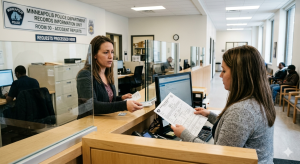
 The moments following a car accident are often a blur of flashing lights, sirens, and adrenaline. Once the dust settles, you are left dealing with the aftermath: vehicle damage, physical pain, and a mounting pile of paperwork. If the Minneapolis Police Department (MPD) responded to your crash, one of the first and most critical steps you need to take is securing a copy of your official Minnesota Motor Vehicle Crash Report.
This document is not just a piece of paper. It is the official narrative of what happened, written by the officer on the scene. Insurance companies view this report as the foundation for any claim. If you do not have it, or if it contains mistakes, your recovery process can stall out before it even begins. Here is a straightforward guide on how to get your hands on this vital document and why it matters so much to your case.
The Direct Paths to Getting Your MPD Crash Report
The Minneapolis Police Department makes it relatively simple to request your records, but you have to know exactly where to look. You generally have two main choices depending on whether you prefer to handle things online or look someone in the eye.
Option 1: The Online Request System
For most people, the fastest route is using the internet. You can request public or private data through the city’s official portal. To make the process smoother, you can visit the Minneapolis Police Records and Data page to review their specific formatting requirements before submitting your request. Make sure you have your state-issued ID ready to upload, as they must verify your identity before releasing private accident details.
Option 2: In-Person Access in Downtown Minneapolis
If you prefer to handle business in person, or if you run into technical issues online, you can go directly to the source. The MPD Records Information Unit is located inside the Hennepin County Public Safety Facility. You can find them at 350 S 5th St, Room 30, Minneapolis, MN 55415. Keep in mind that you will need to pass through building security, and it is smart to bring a valid driver’s license or state ID along with the date, time, and location of your crash.
What Pieces of Information Do You Need Ready?
Whether you click your way through the online portal or walk into Room 30 downtown, the clerks cannot help you without specific details. To avoid taking multiple trips or getting your online request rejected, gather these items ahead of time:
- The CCN (Case Control Number): This is the tracking number the responding officer should have handed you on a blue card or a slip of paper at the scene.
- The Date and Approximate Time: Knowing the exact date and a rough window of when the crash occurred helps narrow down the search.
- The Exact Location: Be ready to provide the cross streets, intersection, or highway highway exit where the impact happened.
- Full Names of Involved Parties: This includes your name, the other driver’s name, and passengers if you know them.
Why the Insurance Company Hopes You Do Not Look at the Report
Let’s be completely honest about how insurance companies operate. Despite what the catchy commercials say, insurance adjusters are not your helpful neighbors. They work for massive corporations whose main goal is to protect their bottom line. The less money they pay you, the more money they keep in their pockets.
When you file a claim, the adjuster immediately starts hunting for reasons to blame you for the accident or downplay your injuries. They know that an official police report often contains the absolute truth about who failed to yield, who was speeding, or who was distracted. By getting your certified report early, you prevent them from twisting the facts or changing the story later on.
How Our Military Background Built Our Approach to Legal Battles
At 612-Injured, we do not view law as a desk job. We view it as a mission. Our founding partners brought the discipline and resilience they learned in the armed forces straight into the Minnesota legal system. Ben Heimerl sharpened his resolve serving in the U.S. Marine Corps with the Fleet Anti-Terrorism Security Team, while Mike Lammers learned how to navigate high-stress environments serving in the U.S. Navy during the Gulf War.
This background means we do not back down when insurance companies try to push our clients around. We look at an accident report the way a strategist looks at a map. We find the facts, we build the strategy, and we prepare every single case as if it is headed straight to trial. Over our 25-year institutional history in Minnesota, we have learned the exact plays the insurance companies use, and we know exactly how to counter them.
What Key Details Should You Check on the Report?
Police officers are human, and they make mistakes, especially when trying to clear a busy Twin Cities intersection during rush hour or a winter blizzard. Once you get your report, sit down with a cup of coffee and read it line by line. Look closely for these common errors:
- Incorrect Diagrams: Make sure the little drawing of the cars shows the correct direction of travel and point of impact.
- Missing Witness Info: Check if the bystanders who stopped to help actually had their names and phone numbers recorded.
- Wrong Citations: If the officer told you the other driver was getting a ticket for texting or running a red light, make sure that citation is listed.
- Inaccurate Statements: Ensure your words were not twisted or misconstrued in the narrative section.
If you find a major mistake, do not panic. While it can be tough to change an officer’s mind, an experienced lawyer can help you submit a supplemental statement or gather external evidence, like traffic camera footage or black box data, to correct the record. You can learn more about how traffic laws dictate these reports by reviewing the Minnesota Statutes Office on Accident Reports, which outlines how these documents are legally handled in our state.
You Do Not Have to Fight This Battle Alone
When you work with one of our Minneapolis car accident attorneys, you are not just a file number passed down to a junior associate or a paralegal. You get direct access to seasoned trial attorneys who are ready to stand as your shield. We know you are dealing with physical pain, missed work, and immense stress. That is why we handle the heavy lifting, from chasing down police reports to staring down corporate insurance lawyers.
We are available 24 hours a day, 7 days a week, and we provide a same-day response guarantee. If you are injured and cannot make it to our office, you do not need to worry. We will happily come directly to your home or your hospital bedside to talk through your case.
Before you sign anything from an insurance adjuster or accept a lowball settlement offer, let us look at the facts together. Call or text 612-Injured today at (612) 465-8733 for a completely free, no-pressure consultation.
Disclaimer: The information provided in this blog post is for general educational purposes only and does not constitute formal legal advice. Reading this information does not establish an attorney-client relationship. If you have been injured in an accident, you should consult with a qualified attorney to discuss the specific details of your situation.